entertainment
Independent Bookstores Are Multiplying Despite the Belief They’re Dying Out
Independent bookstores are experiencing an unexpected revival across many regions, driven by community engagement, curated experiences, local support, and readers seeking alternatives to online retail giants.
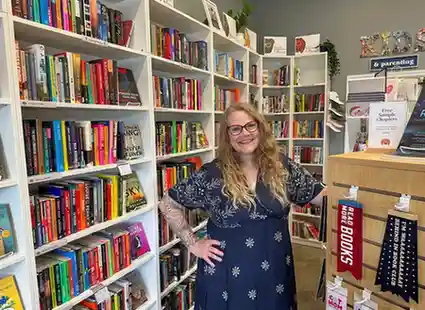
Independent bookstores are quietly experiencing a remarkable resurgence even as many people continue believing they are disappearing in the age of e-commerce, digital reading platforms, and major retail chains. Across cities, suburbs, and small towns, new independent bookstores are opening at a pace that surprises industry observers, signaling a shift in consumer habits and a renewed appreciation for community-centered retail spaces. For years, independent bookstores were considered one of the biggest casualties of online shopping, with companies like Amazon dramatically reshaping the book industry and forcing thousands of small retailers to close.
The rise of e-books, changing reading habits, and increasing commercial rents further intensified fears that local bookstores would eventually vanish entirely. Yet despite these long-standing assumptions, recent trends show that independent bookstores are not only surviving but multiplying in many regions around the world. Industry associations and bookstore owners report that a growing number of entrepreneurs, passionate readers, and local communities are investing in independent bookshops because they offer experiences and human connections that large online platforms cannot replicate.
Unlike algorithm-driven shopping websites, independent bookstores provide carefully curated selections tailored to local tastes, staff recommendations built on personal reading expertise, intimate literary events, and spaces designed for conversation, discovery, and community interaction. Many modern bookstore owners have transformed their shops into cultural gathering places that host author talks, poetry readings, book clubs, writing workshops, children’s storytelling sessions, art exhibitions, and live performances. These experiences have helped redefine bookstores not simply as retail outlets but as social and intellectual hubs where people seek belonging, creativity, and authentic engagement in increasingly digital lives.
The resurgence has also been fueled by consumer fatigue with impersonal online commerce. Many readers say they miss the joy of browsing shelves, stumbling upon unexpected titles, speaking with knowledgeable booksellers, and supporting local businesses that contribute to neighborhood identity. Independent bookstores often reflect the character of their communities, stocking books by local authors, highlighting underrepresented voices, and creating spaces where readers feel personally connected.
Social media has unexpectedly played a major role in the revival as well. Platforms such as Instagram, TikTok, and YouTube have transformed aesthetically designed bookstores into cultural attractions, with readers sharing photos, recommendations, and experiences that encourage younger generations to visit physical shops. The rise of “BookTok” and online reading communities has created new enthusiasm for books and literary culture, benefiting independent retailers that can quickly respond to trends and build personal relationships with customers.
During the COVID-19 pandemic, many independent bookstores faced enormous financial challenges due to lockdowns and reduced foot traffic, leading to fears of widespread closures. However, the crisis also strengthened public awareness of the importance of supporting local businesses. Communities organized fundraising campaigns, online orders, curbside pickups, and donation drives to help beloved bookstores survive.
Many stores adapted rapidly by improving online sales, hosting virtual author events, and developing stronger customer loyalty. In numerous cases, these adaptations not only helped bookstores survive the pandemic but also expanded their customer base beyond local neighborhoods. Another factor contributing to the growth of independent bookstores is the increasing desire for “slow shopping” experiences in contrast to the speed and convenience of modern retail giants.
Customers are seeking spaces that encourage mindfulness, exploration, and emotional connection rather than endless scrolling and instant purchasing. Bookstores provide sensory experiences that online platforms cannot reproduce, including the atmosphere of shelves packed with stories, conversations with fellow readers, and the tactile pleasure of holding physical books. Younger entrepreneurs are also entering the industry with innovative business models that combine bookselling with cafés, bars, coworking spaces, wellness activities, and community initiatives.
Some bookstores specialize in niche genres such as romance, science fiction, political literature, LGBTQ+ writing, translated fiction, or children’s books, allowing them to build loyal audiences with highly focused identities. Others emphasize diversity, accessibility, and social activism, positioning bookstores as spaces for dialogue and inclusion. Economic studies suggest that money spent at local independent businesses often circulates more within communities compared to purchases from global corporations, giving local bookstores additional support from residents interested in strengthening neighborhood economies.
Governments and nonprofit organizations in some areas have also introduced grants, literacy programs, and small-business initiatives aimed at preserving independent cultural spaces. Despite the positive trends, independent bookstores still face serious challenges. Rising rents, inflation, supply chain disruptions, and competition from discounted online retailers continue threatening profitability.
Many bookstore owners operate on extremely narrow margins and rely heavily on loyal customers, events, and supplementary revenue streams such as cafés or merchandise. Staffing shortages and changing publishing economics also create ongoing pressure. Yet even with these difficulties, the number of independent bookstores in several countries has continued increasing over recent years, contradicting the widespread assumption that physical bookstores are inevitably doomed.
Analysts say the persistence of that belief partly stems from memories of massive bookstore closures during the early internet era, when large chains and online retailers dramatically transformed the industry. While many stores did disappear during that period, the narrative of inevitable decline failed to account for how independent bookstores would evolve and adapt. Instead of competing solely on price and inventory scale, many successful independent bookstores focused on experience, curation, identity, and personal connection.
This shift helped create sustainable models that attract readers looking for something more meaningful than transactional shopping. Authors have also played an important role in supporting independent bookstores by promoting local events, exclusive editions, signed copies, and partnerships that drive traffic to physical stores. Many writers view independent bookstores as essential to literary culture because they provide opportunities for discovery beyond bestseller algorithms and corporate marketing priorities.
Readers often discover debut authors, experimental works, and marginalized voices through independent booksellers willing to champion unique titles. Educational trends have contributed to the revival as well. Parents increasingly seek alternatives to excessive screen time for children and are bringing families to bookstores as educational and recreational destinations.
Schools, universities, and literacy organizations frequently collaborate with local bookstores for reading programs and events that encourage lifelong reading habits. In many communities, bookstores have become symbols of cultural resilience and intellectual life. The emotional attachment people feel toward bookstores has become especially visible in online discussions where readers describe bookstores as comforting spaces associated with curiosity, imagination, and mental escape.
For some individuals, bookstores provide refuge from stress, loneliness, and digital overload. This emotional value gives independent bookstores a unique advantage that extends beyond simple commerce. Modern bookstore owners often emphasize hospitality, conversation, and inclusivity as central parts of their business philosophy, creating environments where customers feel welcomed rather than pressured to purchase quickly.
The resurgence of independent bookstores also reflects broader shifts in consumer behavior favoring authenticity, local identity, and meaningful experiences. Similar patterns can be seen in the revival of farmers markets, vinyl records, handmade crafts, and other forms of analog culture that offer emotional richness in highly digitized societies. While online retailers remain dominant in terms of market share and convenience, independent bookstores are proving that physical spaces still matter deeply to many consumers.
Their growth demonstrates that technology does not always eliminate older forms of cultural engagement but can instead coexist alongside renewed appreciation for tangible, human-centered experiences. As new bookstores continue opening in urban neighborhoods and smaller communities alike, the narrative surrounding the death of independent bookstores appears increasingly outdated. Rather than disappearing, many independent bookstores are reinventing themselves for a new generation of readers who value connection, discovery, creativity, and community alongside convenience.
The multiplication of these stores suggests that books remain powerful cultural objects and that physical literary spaces continue serving important emotional, educational, and social functions in modern life. Although challenges remain significant, the ongoing revival of independent bookstores offers a rare optimistic story within the retail industry, showing how small businesses can survive and even thrive by building genuine relationships and creating experiences that cannot easily be replicated online..
Nystate News FavoritesNystate News Favorites
- Malcolm‑Jamal Warner Tragically Drowned While Swimming with His Daughter in Costa RicaMalcolm‑Jamal Warner Tragically Drowned While Swimming with His Daughter in Costa Rica
- Chris Hughes and JoJo Siwa Bond Over Marathon Sessions of 'Dance Moms'Chris Hughes and JoJo Siwa Bond Over Marathon Sessions of 'Dance Moms'
Read More