health
Experimental Pill Promises New Hope for Deadly Pancreatic Cancer
Researchers say a new experimental pill targeting pancreatic cancer has shown encouraging early results, raising hopes for improved treatment options against one of the world’s deadliest forms of cancer.
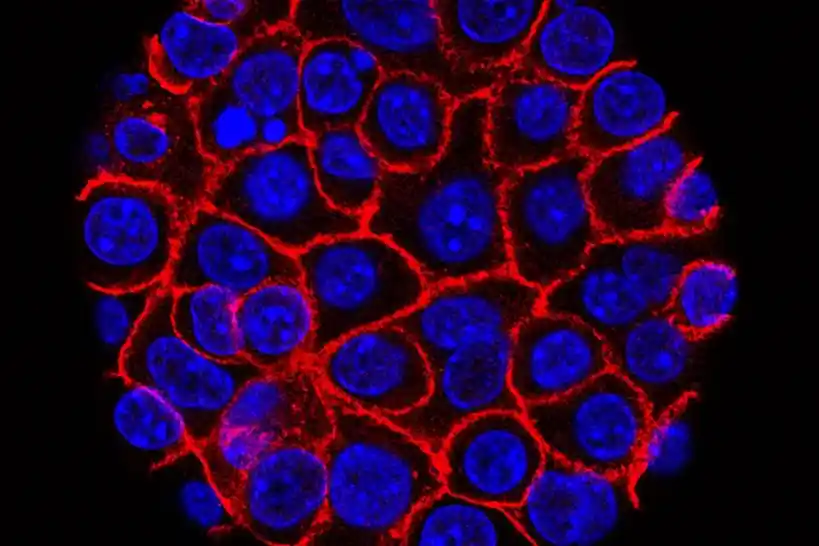
Scientists and medical researchers are expressing cautious optimism after an experimental pill designed to treat Pancreatic Cancer showed promising early-stage results in clinical studies, potentially opening a new chapter in the fight against one of the deadliest and hardest-to-treat cancers worldwide. The new oral medication, currently undergoing testing in patients with advanced pancreatic cancer, has demonstrated encouraging signs of slowing tumor growth, improving treatment response, and extending survival time in some participants involved in early clinical trials. Researchers involved in the study say the treatment works by targeting specific genetic mutations and biological pathways that help pancreatic cancer cells survive, spread, and resist traditional therapies such as chemotherapy and radiation.
Pancreatic cancer remains one of the most lethal forms of cancer because it is often diagnosed at an advanced stage after symptoms become severe, making treatment significantly more difficult. According to health experts, survival rates for pancreatic cancer patients have historically remained low compared with many other major cancers due to the aggressive nature of the disease and limited effectiveness of existing treatments. The experimental pill has generated excitement among oncologists because it may offer a less invasive and more targeted alternative to conventional therapies that often come with severe side effects and limited long-term success.
Researchers reported that several patients participating in the trial experienced tumor shrinkage or disease stabilization after taking the medication, although experts caution that larger and longer studies are still needed before the treatment can receive regulatory approval for widespread use. The pill is designed to interfere with cancer cell metabolism and block molecular signals that fuel tumor growth, while also potentially improving the body’s immune response against cancerous cells. Scientists say this targeted approach could reduce damage to healthy tissue and improve patients’ quality of life during treatment.
Clinical investigators emphasized that while the results are encouraging, the medication remains experimental and additional testing is required to confirm its safety, effectiveness, optimal dosage, and long-term outcomes across diverse patient populations. The trial includes patients whose cancers had either spread to other organs or failed to respond to standard therapies, making the early positive findings particularly significant for researchers searching for new treatment options in advanced cases. Pancreatic cancer experts noted that even modest improvements in survival rates could represent a major breakthrough given the historically poor prognosis associated with the disease.
The development of the experimental pill also reflects broader advances in precision medicine, where scientists increasingly design therapies tailored to specific genetic characteristics of tumors rather than relying solely on generalized cancer treatments. Advances in genomic research, biotechnology, and molecular medicine have accelerated efforts to identify new drug targets capable of disrupting cancer progression more effectively than traditional chemotherapy alone. Researchers involved in the study say the pill may eventually be used alongside other therapies including immunotherapy, surgery, radiation, and combination drug treatments to improve patient outcomes further.
Pharmaceutical companies and medical institutions worldwide are investing heavily in pancreatic cancer research due to the urgent need for more effective therapies and earlier diagnostic tools. Health organizations estimate that pancreatic cancer cases are expected to rise globally over the coming decades, partly due to aging populations and ongoing challenges related to early detection. Symptoms of pancreatic cancer often remain vague in the early stages and may include abdominal pain, unexplained weight loss, jaundice, digestive issues, and fatigue, leading many patients to receive diagnoses only after the disease has significantly advanced.
Researchers hope that emerging treatments combined with improved screening methods and genetic testing could eventually help increase survival rates and identify high-risk individuals earlier. Patient advocacy groups welcomed the latest trial results, describing them as a meaningful source of hope for patients and families facing a disease that has long carried limited treatment options and high mortality rates. Medical experts also stressed the importance of continued funding for cancer research, clinical trials, and biotechnology innovation to accelerate the development of next-generation therapies.
Regulatory agencies are expected to closely monitor the progress of ongoing trials before determining whether the experimental pill can advance toward broader approval stages. Analysts say successful results from future studies could transform the pancreatic cancer treatment landscape and potentially encourage additional research into similar targeted oral therapies for other aggressive cancers. Despite the optimism surrounding the early findings, doctors caution patients against viewing the treatment as a guaranteed cure, emphasizing that cancer research often requires years of testing before new therapies become widely available.
Nevertheless, the experimental pill represents one of the most encouraging recent developments in pancreatic cancer research and offers renewed hope that scientific progress may eventually improve survival and quality of life for patients battling one of medicine’s most challenging diseases.
Nystate News FavoritesNystate News Favorites
- Another HIV Vaccine Fails in Global Trial, Deepening Scientific FrustrationAnother HIV Vaccine Fails in Global Trial, Deepening Scientific Frustration
- Experts Warn Wuhan Coronavirus Has Pandemic Potential as Global Spread AcceleratesExperts Warn Wuhan Coronavirus Has Pandemic Potential as Global Spread Accelerates
Read More