politics
Rubio Heads to NATO Meeting as European Anxiety Over Trump, US Troops and Iran Intensifies
Secretary of State Marco Rubio is heading to a crucial NATO meeting amid growing European concerns over Donald Trump’s reliability, planned US troop reductions in Europe, and rising geopolitical tensions linked to Iran.
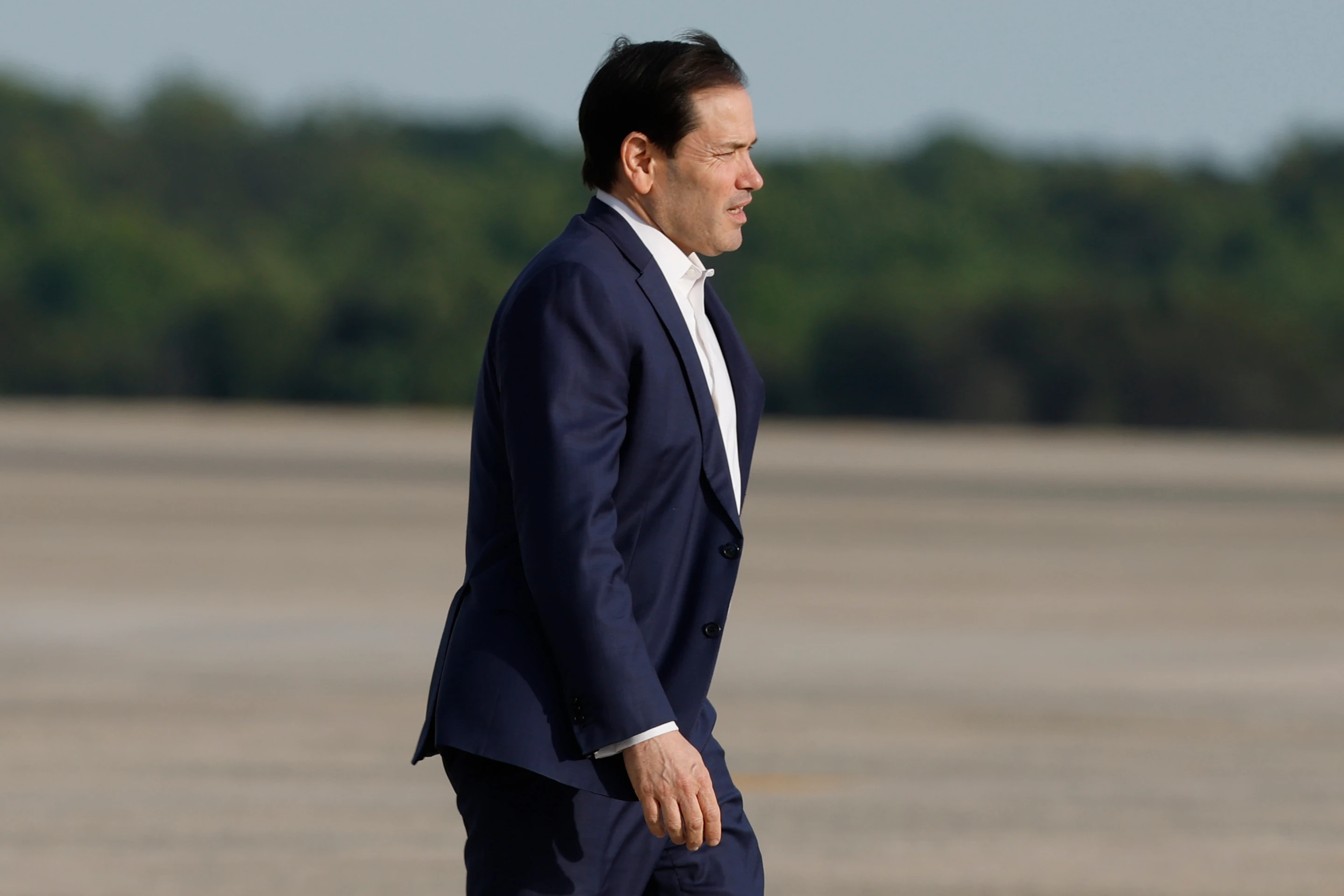
U.S. Secretary of State Marco Rubio is traveling to a critical NATO foreign ministers meeting in Sweden during one of the most politically sensitive and strategically uncertain periods in the alliance’s modern history, as European leaders struggle with growing concerns over President Donald Trump’s reliability toward NATO, possible reductions in American troop deployments across Europe, and rising instability tied to Iran and the broader Middle East. The gathering is expected to become a defining moment for transatlantic diplomacy because it takes place amid increasing doubts about the future direction of American foreign policy and Washington’s long-term commitment to European security.
Rubio’s mission is not only diplomatic but also symbolic. European governments want reassurance that the United States remains fully committed to NATO despite increasingly confrontational rhetoric from Trump and recent military decisions that have alarmed allies throughout the continent. Over the past several months, European anxiety has intensified following reports that the Trump administration is reconsidering portions of America’s military footprint in Europe while simultaneously demanding that NATO members dramatically increase defense spending and assume greater responsibility for their own security.
While burden-sharing debates within NATO are not new, the tone and unpredictability of the current administration have created a deeper sense of unease among European leaders who fear the alliance could enter a period of instability at a time when global tensions are already rising. Rubio arrives at the meeting facing the difficult task of reassuring skeptical allies while defending an administration whose messages toward NATO have often appeared contradictory. Trump has repeatedly criticized NATO members for failing to meet defense spending targets, arguing that the United States has carried too much of the military burden for decades.
He has also questioned whether America should continue defending countries that contribute less financially to the alliance. Those comments, combined with discussions about troop reductions in Germany and elsewhere in Europe, have fueled fears that Washington could gradually weaken its commitment to collective defense obligations that have anchored European security since World War II. European officials are especially concerned because these debates are unfolding while Russia continues maintaining an aggressive military posture near NATO territory and while geopolitical tensions involving Iran threaten wider regional instability.
The timing has amplified fears that transatlantic unity could weaken precisely when cooperation is needed most. One of the major issues shaping the atmosphere around the meeting is the administration’s approach toward Iran. Recent confrontations involving Tehran and escalating tensions in the Middle East have exposed disagreements between Washington and several European governments regarding military strategy, diplomacy, and regional security priorities.
While the United States has pushed for a more aggressive posture toward Iran, many European allies have favored de-escalation and diplomatic engagement rather than expanded military confrontation. Those disagreements have complicated NATO discussions because some U.S. officials reportedly expected stronger alliance support for American-led operations and strategic pressure against Iran.
Several European governments resisted deeper military involvement, arguing that NATO’s core mission should remain focused on collective defense in Europe rather than broader regional interventions. Trump responded publicly by criticizing some allies for what he described as insufficient support, intensifying diplomatic tensions at an already fragile moment. Rubio has attempted to adopt a calmer and more diplomatic tone compared to some of the administration’s harsher rhetoric.
Throughout recent interviews and public appearances, he has emphasized that the United States remains committed to NATO while also insisting that Europe must increase defense investments and military readiness. However, many European diplomats remain uncertain whether Rubio’s reassurances fully reflect the broader strategic thinking inside the White House. The inconsistency between supportive diplomatic language and aggressive political messaging from Trump has created confusion among allies regarding Washington’s true intentions.
Some officials privately acknowledge that trust has eroded significantly over the past year because European governments no longer feel certain that traditional assumptions about American leadership and alliance solidarity can be taken for granted. The troop reduction discussions have become one of the most sensitive topics in NATO circles. Reports indicating that the Pentagon may reduce thousands of troops stationed in Germany and reconsider long-term deployments in other European countries triggered alarm among governments that view the American military presence as essential for deterrence against Russia.
Countries along NATO’s eastern flank, including Poland and the Baltic states, are particularly nervous because they rely heavily on visible American support to discourage potential aggression from Moscow. Although alliance officials have attempted publicly to describe the troop adjustments as manageable strategic realignments rather than signs of withdrawal, many European policymakers fear the symbolic impact could be profound. The presence of American troops in Europe has always represented more than military capability alone; it symbolizes political commitment and strategic solidarity.
Any reduction, even if gradual or limited, raises fears about whether Washington’s long-term priorities are shifting away from Europe. Germany has emerged as a central focus of the debate because of its historical role as a hub for American military operations on the continent. Trump has frequently criticized Germany for defense spending levels and trade issues, and tensions between Washington and Berlin have increased over disagreements involving Iran, Ukraine, energy policy, and relations with China.
German officials worry that troop reductions could weaken NATO’s logistical and strategic infrastructure while also damaging alliance cohesion. At the same time, political leaders across Europe are increasingly discussing the need for greater defense independence and strategic autonomy in case American support becomes less reliable in future crises. Those conversations have accelerated dramatically in recent years, though experts caution that replacing American military capabilities would require enormous investments and decades of planning.
The United States continues providing crucial intelligence, nuclear deterrence, missile defense systems, logistical support, airlift capabilities, and command infrastructure that European militaries cannot easily replicate on their own. Rubio’s meetings are therefore expected to involve extensive discussions about how NATO can adapt to changing global realities without undermining alliance unity. Another major issue influencing the NATO discussions is the growing perception that American foreign policy under Trump has become increasingly transactional.
European diplomats have expressed concern that security guarantees and military commitments now appear tied more directly to financial contributions and political alignment than to traditional alliance principles. Some fear that disagreements on issues such as Iran or trade could affect defense cooperation in ways that would have been considered unthinkable in previous administrations. This perception has created unease among leaders who worry that NATO’s credibility depends heavily on predictability and trust.
If allies begin doubting whether commitments will remain stable during political disagreements, the alliance’s deterrence value could weaken over time. Rubio is expected to emphasize repeatedly that NATO remains central to U.S. strategic interests, but restoring confidence may prove difficult because many concerns stem from broader patterns rather than isolated incidents.
Public opinion in Europe has also become more complicated. Polling in several countries shows that while support for NATO remains generally strong, confidence in American leadership has declined significantly since Trump returned to office. Citizens across Europe increasingly debate whether their governments should prepare for a future in which the United States plays a less dominant role in European security.
Political leaders are responding differently to those concerns. Some advocate deeper European defense integration through the European Union and stronger independent military capabilities, while others argue that maintaining close bilateral relationships with Washington remains essential regardless of current tensions. The uncertainty surrounding America’s future role has become a defining feature of strategic discussions throughout the continent.
Rubio’s visit therefore carries symbolic importance beyond immediate policy disputes because it represents an attempt to reassure allies that the transatlantic partnership remains fundamentally strong despite current disagreements. The geopolitical context surrounding the meeting further increases its significance. Russia’s continued military activity near NATO territory, instability in the Middle East, cyber threats, energy insecurity, and intensifying competition with China all reinforce the strategic importance of alliance cooperation.
European leaders fear that visible fractures within NATO could embolden adversaries seeking to exploit divisions between the United States and Europe. Intelligence officials have repeatedly warned that Russia closely monitors political tensions within the alliance and may attempt to use uncertainty surrounding American commitments as part of broader influence and disinformation campaigns. As a result, alliance unity carries both practical military importance and symbolic geopolitical value.
Rubio is expected to argue that burden-sharing reforms and strategic adjustments should strengthen NATO rather than weaken it, framing current debates as part of modernization efforts necessary for addressing twenty-first century security challenges. Nevertheless, many European officials remain uneasy because they believe alliance cohesion depends not only on military budgets and operational readiness but also on shared political trust and mutual confidence. The ongoing tensions over Iran have further complicated diplomatic dynamics.
European governments generally favor maintaining diplomatic channels with Tehran and avoiding wider regional war, while some factions within Washington have pushed for tougher sanctions, stronger military deterrence, and expanded pressure campaigns. Those differences reflect broader disagreements about how NATO should approach global crises beyond Europe itself. Some allies believe the alliance risks becoming overstretched or politically divided if it becomes too deeply involved in Middle Eastern conflicts, particularly when member states disagree fundamentally about strategic objectives.
Others argue that instability involving Iran directly affects European security through energy markets, migration pressures, terrorism risks, and regional alliances. Rubio will likely attempt to bridge those divisions by emphasizing shared interests in regional stability and coordinated deterrence, though significant policy disagreements are expected to remain unresolved. The meeting also comes at a time when NATO is preparing for major long-term strategic decisions ahead of the alliance summit later this year in Turkey.
Issues involving force posture, defense spending targets, technological modernization, cyber warfare, and relations with Russia and China are all expected to dominate alliance planning discussions. European governments want clarity regarding Washington’s long-term priorities before committing fully to certain strategic frameworks. If allies believe American commitments may fluctuate dramatically depending on domestic political changes, they may become more cautious about relying heavily on U.S.-led initiatives.
This uncertainty complicates alliance planning and could influence future defense investments across Europe. Rubio’s personal role within the administration adds another layer of complexity to the situation. During his Senate career, Rubio often positioned himself as a strong supporter of NATO and transatlantic cooperation.
He previously backed legislation designed to make unilateral American withdrawal from NATO more difficult, and many European diplomats viewed him historically as a traditional internationalist voice within Republican foreign policy circles. That background has led some allies to see Rubio as potentially more reassuring and predictable than other figures within the administration. However, questions remain regarding how much influence he ultimately has over major strategic decisions driven directly by Trump and senior White House advisers.
European officials are therefore listening carefully not only to Rubio’s words but also for clues regarding broader administration thinking. Despite all the tensions, most analysts believe neither the United States nor Europe ultimately wants a serious rupture within NATO. The alliance remains central to Western security architecture, and both sides continue sharing deep strategic interests regarding Russia, counterterrorism, cybersecurity, intelligence cooperation, and global stability.
Yet alliances rely heavily on trust, predictability, and shared political confidence, all of which have been tested repeatedly over recent years. The current atmosphere feels especially sensitive because it combines traditional burden-sharing debates with broader questions about America’s long-term geopolitical priorities and political reliability. European leaders increasingly feel they must prepare for a world in which Washington may become less consistently engaged in European security affairs.
Whether those fears are fully justified remains debated, but the perception itself is already reshaping strategic thinking across the continent. Rubio’s NATO trip therefore represents more than a routine diplomatic meeting. It has become a test of whether the United States can reassure allies and preserve confidence in the alliance during a period of mounting uncertainty.
European officials will judge not only the specific policies discussed during meetings but also the overall tone, consistency, and credibility of America’s message. Many believe confidence can only be restored gradually through actions rather than rhetoric alone. Future decisions regarding troop deployments, defense coordination, Ukraine policy, and relations with Iran will likely shape perceptions more powerfully than any single diplomatic gathering.
Still, the Sweden meeting provides an important opportunity for dialogue at a time when transatlantic relationships face unusual strain. Rubio’s challenge is to convince nervous allies that despite disagreements and political turbulence, the fundamental foundations of NATO remain intact and that the United States continues viewing European security as a vital national interest. Whether those reassurances succeed may influence not only preparations for future NATO summits but also the broader trajectory of transatlantic cooperation in an increasingly unstable and competitive global environment..
Nystate News FavoritesNystate News Favorites
- RFK Jr. Abruptly Cancels Meeting of Federal Preventive Health Panel, Raising Alarm Among ExpertsRFK Jr. Abruptly Cancels Meeting of Federal Preventive Health Panel, Raising Alarm Among Experts
- Uncertainty Clouds DOJ’s Pledge to Prosecute Abrego GarciaUncertainty Clouds DOJ’s Pledge to Prosecute Abrego Garcia
Read More