puerto-rico
Puerto Rico Governor Declares Emergency to Combat Worsening Coastal Erosion
Puerto Rico's governor has declared a state of emergency in response to accelerating coastal erosion that threatens communities, infrastructure, beaches, and local ecosystems across the island. Officials are preparing measures to protect vulnerable coastal areas and address long-term environmental challenges.

Puerto Rico has taken a significant step in addressing one of its most pressing environmental challenges after Governor Jenniffer González-Colón announced a state of emergency aimed at confronting the island’s worsening coastal erosion crisis. The declaration comes as rising sea levels, increasingly powerful storms, changing weather patterns, and decades of shoreline degradation continue to threaten homes, businesses, roads, public infrastructure, and natural ecosystems along Puerto Rico’s coastline. Officials say the emergency measure will help accelerate funding, coordinate government resources, and implement both immediate and long-term solutions designed to protect vulnerable coastal communities from further damage.
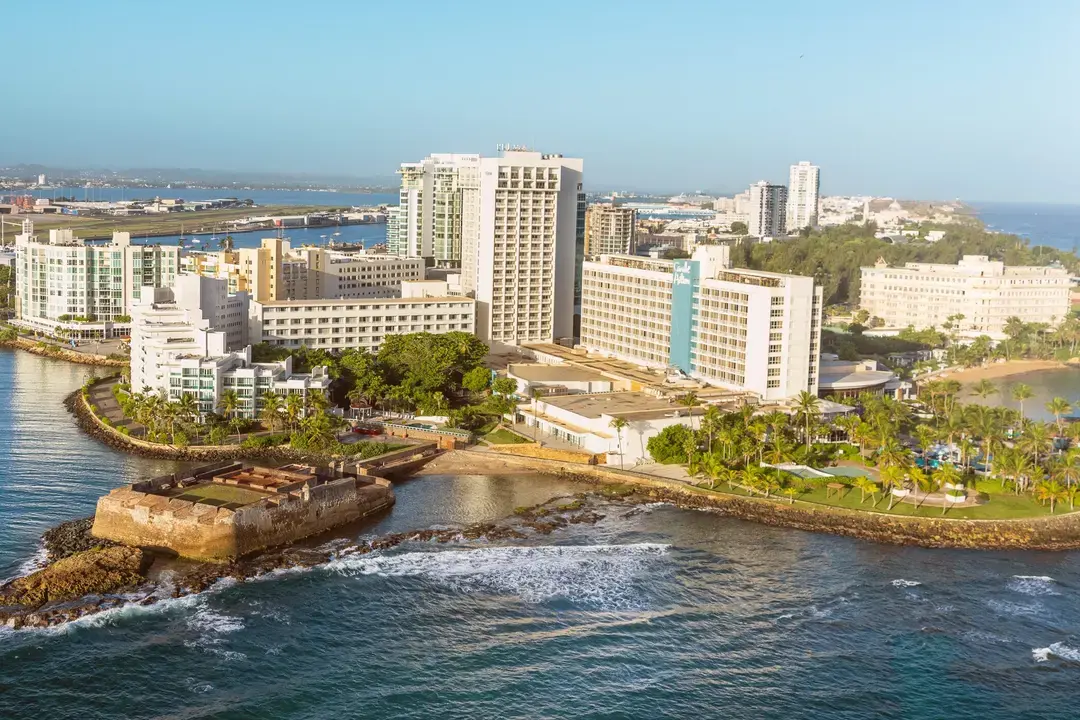
Coastal erosion has become a growing concern across the Caribbean and many other regions around the world, but Puerto Rico’s geographic location and exposure to tropical weather systems have made the island particularly susceptible to shoreline loss. In several areas, beaches have steadily narrowed, protective dunes have disappeared, and ocean waters have advanced closer to residential and commercial developments. Environmental experts warn that without intervention, erosion could significantly alter coastlines, increase flooding risks, damage tourism-dependent economies, and threaten critical infrastructure that supports local communities.
The governor’s emergency declaration reflects increasing concern among policymakers, scientists, and residents who have witnessed visible changes to the island’s shores over recent years. Authorities report that coastal erosion is no longer an isolated environmental issue affecting a handful of locations but a broader challenge impacting multiple municipalities and thousands of residents. The emergency order is expected to facilitate coordination between environmental agencies, emergency management officials, engineers, municipal governments, and federal partners as they assess the most at-risk areas and prioritize response efforts.
Officials plan to identify locations requiring urgent stabilization projects while also developing comprehensive strategies to strengthen long-term coastal resilience. Experts attribute the erosion crisis to a combination of natural and human-driven factors. Rising global sea levels associated with climate change have increased pressure on coastlines, while stronger storms and hurricanes have accelerated the removal of sand and protective coastal features.
Human development near shorelines has also contributed to the problem in some areas by altering natural sediment movement and reducing the ability of beaches and dunes to recover after extreme weather events. Scientists emphasize that erosion is often a gradual process, but its effects can become dramatically visible following major storms that rapidly reshape coastlines. Puerto Rico has experienced multiple destructive hurricanes in recent years, including events that caused extensive flooding, infrastructure damage, and environmental disruption.
These storms highlighted the vulnerability of coastal regions and underscored the need for more proactive adaptation measures. The emergency declaration is expected to support projects such as shoreline stabilization, dune restoration, beach nourishment, infrastructure reinforcement, environmental monitoring, and habitat conservation. Authorities are also considering strategies that combine engineering solutions with nature-based approaches designed to work alongside natural coastal processes.
Environmental advocates have welcomed the announcement, arguing that it recognizes the urgency of a problem that has been growing for years. Many experts stress that protecting coastlines requires a balance between development, environmental conservation, and climate adaptation planning. Healthy coastal ecosystems, including mangroves, wetlands, coral reefs, and dunes, can serve as natural barriers against storm surge and erosion while supporting biodiversity and local economies.
Restoring and preserving these ecosystems is expected to play an important role in future resilience efforts. Tourism stakeholders are also closely monitoring developments because Puerto Rico’s beaches are among its most valuable economic and cultural assets. Coastal tourism supports thousands of jobs and generates significant revenue for local businesses.
Continued shoreline loss could affect visitor experiences, reduce recreational opportunities, and increase maintenance costs for coastal facilities. By addressing erosion proactively, officials hope to protect both environmental resources and economic activity. Residents living in vulnerable coastal areas have expressed concern about the long-term impacts of erosion on property values, public safety, and community stability.
In some locations, structures that were once considered safely inland are now much closer to the water’s edge, creating uncertainty about future risks. Emergency measures may help accelerate assessments and provide communities with clearer guidance regarding mitigation and adaptation strategies. Policymakers emphasize that while emergency actions can address immediate threats, long-term success will require sustained investment, scientific research, infrastructure planning, and collaboration across multiple levels of government.
Puerto Rico’s response reflects a broader global effort to adapt to environmental changes that are increasingly affecting coastal regions worldwide. Governments across many countries are confronting similar challenges as rising seas, stronger storms, and changing climate conditions place growing pressure on vulnerable shorelines. The declaration of a state of emergency signals that Puerto Rico views coastal erosion not merely as an environmental concern but as a significant public policy, economic, and community resilience issue requiring urgent attention.
As response efforts move forward, officials will focus on protecting residents, preserving critical infrastructure, safeguarding natural ecosystems, and ensuring that future generations can continue to benefit from the island’s coastal resources. The emergency declaration represents an important milestone in Puerto Rico’s efforts to confront a challenge that is expected to remain a central environmental priority for years to come..
Nystate News FavoritesNystate News Favorites
- Puerto Rico Government Announces Plan to Modernize Public Transportation SystemPuerto Rico Government Announces Plan to Modernize Public Transportation System
- Local Businesses in Puerto Rico Report Strong Holiday Sales Amid Tourism BoomLocal Businesses in Puerto Rico Report Strong Holiday Sales Amid Tourism Boom
Read More