science
Blue Origin Rocket Explodes During Engine Test at Launch Pad
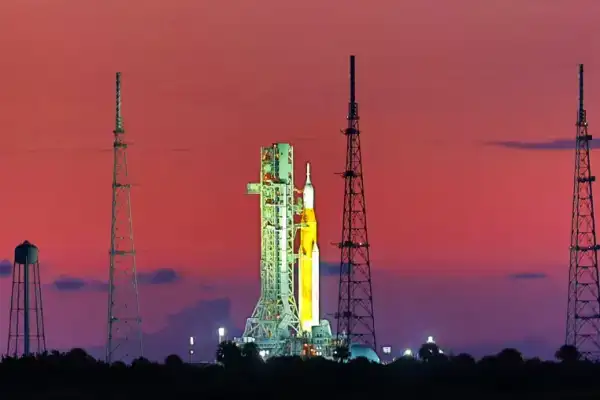
A Blue Origin rocket exploded on the launch pad during a routine engine-firing test, sending flames and thick smoke into the sky while investigators began examining the cause of the incident.
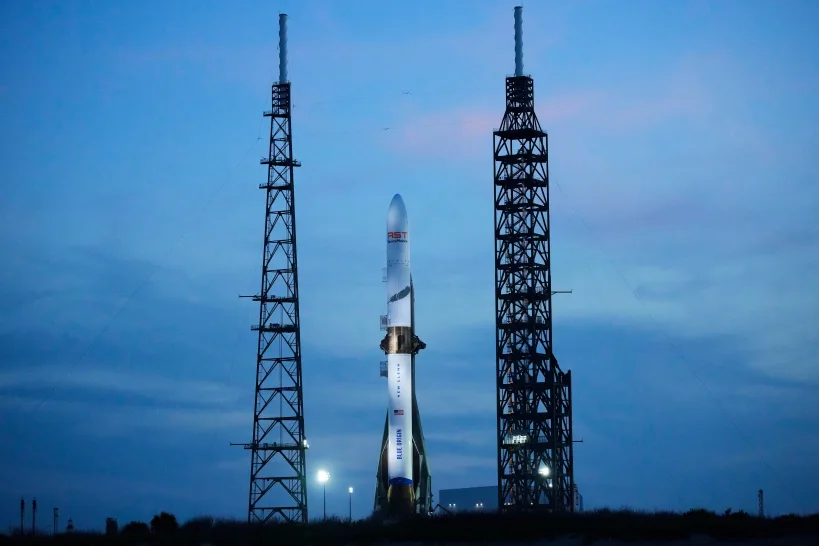
A Blue Origin rocket blew up in a tremendous blaze on the launch pad during a planned engine-firing test, generating a plume of dense smoke at the company’s testing site. The mishap occurred during a standard pre-launch procedure in which engineers were doing a static fire test to test the rocket’s engines ahead of a planned mission. Witnesses nearby said they heard a loud detonation moments before flames devoured part of the launch structure.
Emergency responders came promptly on the scene and worked to bring the fire under control, while corporate authorities immediately ceased all adjacent operations. Early reports showed no injuries, but the explosion caused noticeable damage to equipment and infrastructure around the launch site. Later, Blue Origin verified the occurrence in a short statement noting that safety systems were engaged immediately and an inquiry was launched to discover the exact cause of the explosion.
The company said all personnel were accounted for and teams were working with federal aviation and safety authorities. Videos and pictures posted on the internet showed bright flames rising from the launch site and massive plumes of smoke, attracting broad attention throughout social media and news networks. The failure was a setback for Blue Origin as the business tries to expand commercial spaceflight operations and compete in the growing private aircraft market.
Industry observers say static fire tests are among the most important steps in preparing a rocket for flight because they allow engineers to evaluate how well an engine works while the vehicle is bolted to the launch pad. These are highly sensitive processes that can include tremendous temperatures, fuel pressure, and volatile propellants, even with stringent safety measures in place. Aerospace specialists said they have occurred during the history of spaceflight, although seldom, and often are followed by extensive technical assessments and system redesigns.
For years Blue Origin has been developing reusable rocket technology to facilitate future satellite launches, cargo flights, lunar exploration projects and commercial human spaceflight operations. Founded by Amazon executive Jeff Bezos, the corporation has become one of the main private space companies in the United States, competing with companies like SpaceX and United Launch Alliance. The recent disaster has prompted further doubts about reliability of testing, launch schedules and safety standards in a fast-evolving commercial space sector.
Following the explosion, aviation authorities and aerospace investigators started to analyze telemetry data, fuel systems, engine components and launch pad infrastructure to determine what caused the mishap. Experts pointed to plausible causes including a fuel leak, a pressure imbalance, an ignition fault, or a structural problem during the engine test procedure. Company engineers are anticipated to perform a comprehensive examination before any future launch activity is resumed.
The explosion also briefly impacted tests nearby and may cause delays for future flights tied to Blue Origin’s eventual aspirations for spaceflight. Rocket development setbacks are typical in the aerospace business, especially during advanced testing stages where systems are stressed to the boundaries of their operating capabilities, financial analysts said. Despite the event, numerous experts stressed that rigorous testing and investigation methods are critical to enhancing long-term spacecraft safety and reliability.
Social media users reacted passionately to dramatic images from the launch site, with many comparing it to previous high-profile rocket failures in the commercial space race. Supporters of the firm said they were certain Blue Origin will pick up development efforts once it completed its probe, but detractors said there were rising pressures on private aircraft companies to expedite innovation. Regulators are likely to be watching the inquiry closely before permitting more test activities.
The explosion is another reminder of the hazards and complexities of rocket engineering, where even small technical problems can lead to devastating consequences. Blue Origin officials have not yet said when testing operations might resume, but the company said transparency and safety will continue to be priorities as it investigates. The aerospace world will be keenly watching the findings as engineers continue to evaluate the damaged launch systems to discover what went wrong and how it may be averted in the future.
The event has once more underlined the ambition and complexity of modern space exploration initiatives led by private corporations trying to determine the future of commercial space travel..
Nystate News FavoritesNystate News Favorites
- Kelp and Craft: Orcas Show Surprising Signs of Tool Use in the WildKelp and Craft: Orcas Show Surprising Signs of Tool Use in the Wild
- World's Largest Digital Camera Unveils Stunning First Images of Galaxies and Celestial ClashesWorld's Largest Digital Camera Unveils Stunning First Images of Galaxies and Celestial Clashes
Read More