health
What to Know About Alpha-Gal Syndrome: The Life-Threatening Meat Allergy Triggered by Tick Bites3
Alpha-gal syndrome is a potentially life-threatening allergic condition caused by certain tick bites that can trigger severe reactions to red meat and animal-derived products, leaving many people unaware they have developed a dangerous food allergy.
Alpha-gal syndrome (AGS) is a rare but increasingly recognized food allergy that can cause severe and potentially life-threatening allergic reactions after consuming red meat and products derived from mammals. Unlike most food allergies, which are triggered by proteins, AGS is caused by an allergic response to a sugar molecule known as galactose-alpha-1,3-galactose, commonly referred to as alpha-gal. This molecule is found in the tissues of most mammals, including cows, pigs, lambs, deer, and other red meat sources.
The condition is unusual because it often develops after a bite from certain species of ticks, which can introduce alpha-gal into the human body and trigger an immune system response. As awareness of AGS grows among doctors and public health officials, experts are urging people to understand the symptoms, risks, diagnosis, and prevention strategies associated with this emerging allergy. Alpha-gal syndrome first gained widespread attention when researchers noticed a pattern among patients who experienced delayed allergic reactions several hours after eating red meat.
Unlike traditional food allergies that cause symptoms within minutes, AGS reactions often occur three to eight hours after consumption, making it difficult for patients to connect their symptoms to what they ate. This delay can complicate diagnosis and leave individuals vulnerable to repeated allergic episodes. Symptoms can range from mild discomfort to severe anaphylaxis, a life-threatening reaction that requires immediate medical treatment.
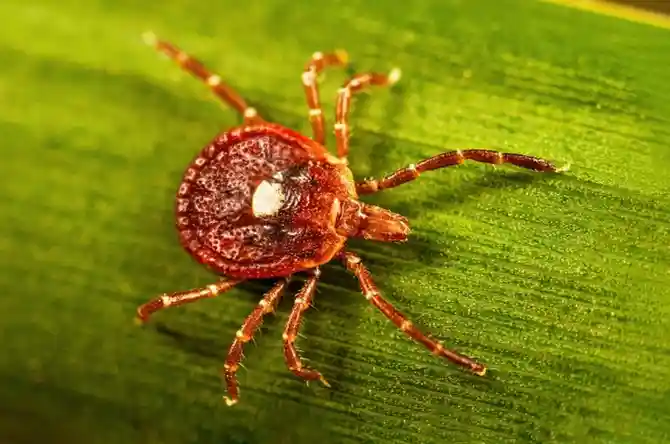
Common symptoms include hives, itching, skin rashes, swelling of the lips, face, throat, or tongue, stomach pain, nausea, vomiting, diarrhea, dizziness, shortness of breath, and difficulty breathing. In severe cases, blood pressure may drop suddenly, leading to shock and loss of consciousness. The condition is most commonly associated with bites from the lone star tick in the United States, although other tick species in different parts of the world have also been linked to AGS.
When a tick feeds on mammals carrying alpha-gal and later bites a human, it can transfer molecules that stimulate the immune system to produce antibodies against alpha-gal. Once these antibodies develop, consuming mammalian meat or products containing alpha-gal can trigger an allergic reaction. Researchers continue to study the biological mechanisms behind the syndrome, but evidence strongly supports the role of tick bites in sensitizing individuals to the allergen.
The prevalence of alpha-gal syndrome has increased significantly in recent years, partly because of expanding tick populations driven by environmental changes, warmer temperatures, and shifting wildlife patterns. Health experts believe many cases remain undiagnosed due to limited awareness and the unusual delayed nature of the allergic response. Some patients spend months or even years seeking answers before receiving an accurate diagnosis.
Diagnosis typically involves a detailed medical history, an evaluation of symptoms, and blood tests that measure antibodies against alpha-gal. Allergy specialists may also investigate a patient's history of tick exposure, outdoor activities, and dietary habits to determine whether AGS is the likely cause of recurring allergic reactions. Managing alpha-gal syndrome primarily involves avoiding foods and products that contain alpha-gal.
This generally means eliminating red meat such as beef, pork, lamb, venison, and goat from the diet. Some individuals may also need to avoid organ meats, gelatin, dairy products, and certain medications or medical products derived from mammals. The severity of the allergy varies from person to person.
While some individuals can tolerate limited amounts of dairy or processed foods, others may experience reactions from even small exposures. Patients diagnosed with AGS are often advised to carry an epinephrine auto-injector at all times in case of accidental exposure and severe allergic reactions. Education plays a crucial role in helping patients manage the condition safely and effectively.
Healthcare providers recommend carefully reading ingredient labels, asking questions when dining out, and remaining vigilant about hidden sources of mammalian ingredients. Some medications, vaccines, and medical treatments may contain components derived from mammals, making it important for patients to inform healthcare professionals about their allergy before receiving treatment. Researchers are continuing to investigate potential therapies and long-term outcomes for individuals living with AGS.
In some cases, sensitivity to alpha-gal may decrease over time if patients avoid further tick bites and strictly manage their exposure to triggering substances. However, additional tick bites can worsen the allergy or reactivate symptoms in previously stable individuals. Prevention remains one of the most effective strategies for reducing the risk of developing alpha-gal syndrome.
Public health experts encourage people living in tick-prone areas to take precautions when spending time outdoors. Recommended measures include wearing long sleeves and pants, using tick repellents, avoiding tall grass and dense vegetation, checking the body for ticks after outdoor activities, and promptly removing attached ticks. Early removal may reduce the likelihood of disease transmission and allergic sensitization.
The growing recognition of AGS has highlighted the complex ways in which environmental factors can influence human health. Scientists continue to explore why some individuals develop the allergy while others exposed to similar tick bites do not. Genetic factors, immune system differences, frequency of tick exposure, and regional ecological conditions may all contribute to the risk.
Public awareness campaigns and medical education efforts are helping improve recognition of the syndrome among healthcare providers and the general public. Increased awareness can lead to earlier diagnosis, better symptom management, and improved quality of life for affected individuals. Despite its challenges, many people with AGS successfully adapt to dietary restrictions and continue to lead healthy, active lives.
Support groups, allergy specialists, and educational resources can help patients navigate lifestyle changes and reduce the risk of allergic reactions. As research advances, experts hope to develop more effective treatments, improve diagnostic methods, and better understand the biological processes underlying the condition. The rise of alpha-gal syndrome serves as a reminder of the evolving relationship between humans, wildlife, and environmental health.
With tick populations expanding into new regions and awareness of the syndrome increasing, understanding AGS has become an important public health priority. Recognizing the symptoms, seeking medical evaluation when unexplained allergic reactions occur, and taking preventive measures against tick bites can help individuals protect themselves from this potentially life-threatening condition. Continued scientific research and public education will be essential in addressing the growing impact of alpha-gal syndrome and ensuring that patients receive timely diagnosis, effective management, and the support they need to live safely with this unique and often misunderstood allergy..
Nystate News FavoritesNystate News Favorites
Read More