politics
Republicans Split as Trump Pushes Emerging Iran War Deal
Several Republican lawmakers and conservative allies are criticizing President Donald Trump’s emerging proposal to end the Iran war, warning that the deal may weaken U.S. leverage against Tehran.
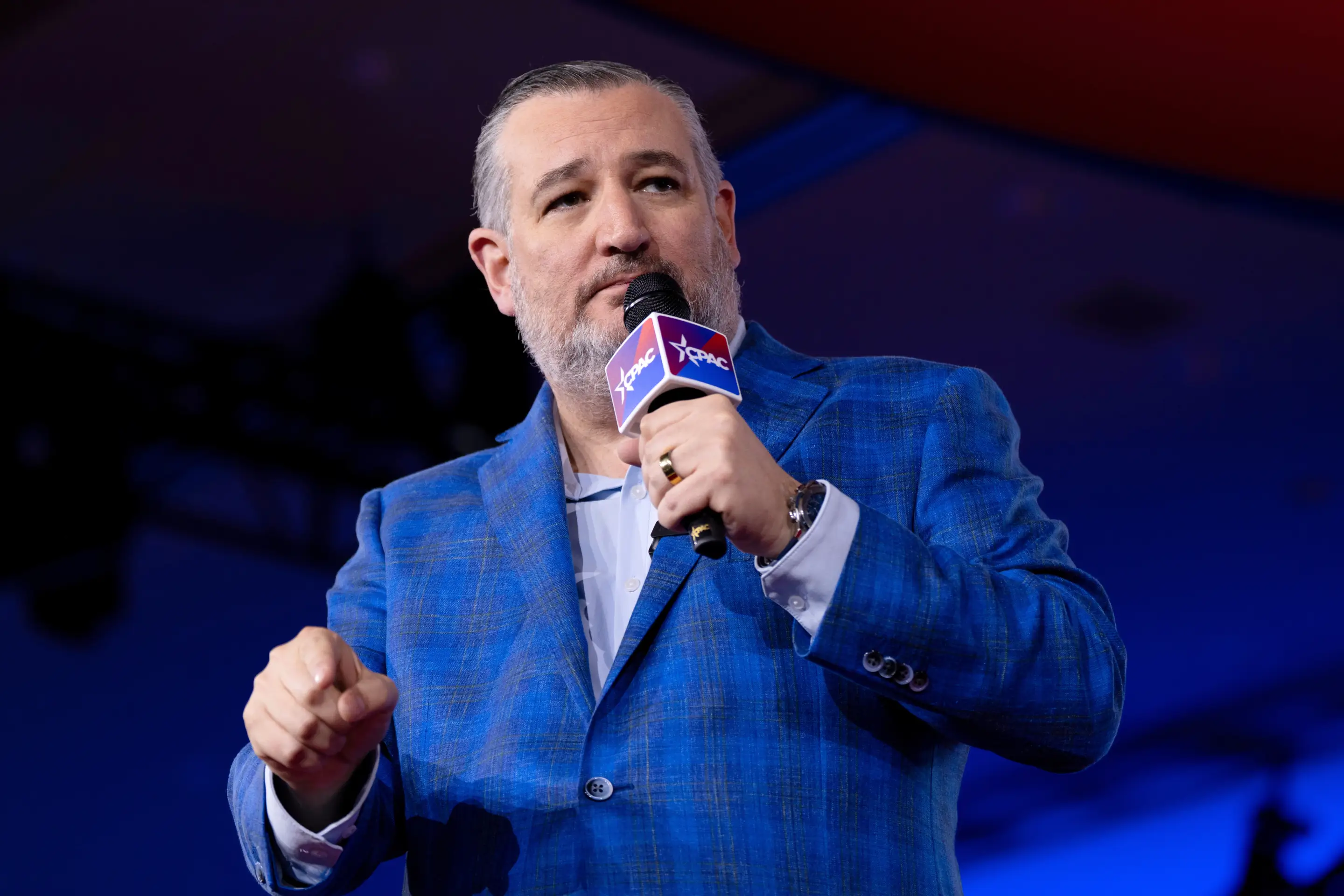
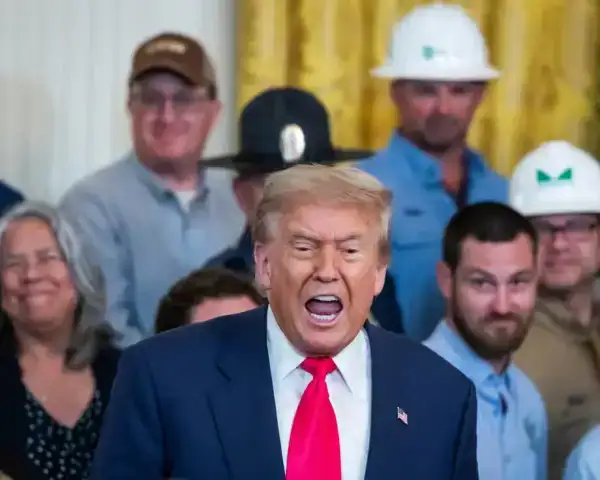
President Donald Trump’s emerging proposal to end the Iran war is facing growing backlash from several Republican lawmakers, conservative strategists, and former administration officials who believe the proposed agreement could hand major concessions to Tehran without fully eliminating Iran’s military or nuclear capabilities. The internal Republican divide has become one of the most significant political challenges surrounding the White House’s push for a diplomatic resolution after months of conflict involving the United States, Israel, and Iran. According to reports from the Associated Press and other U.S.
media outlets, the draft framework under discussion includes a temporary ceasefire, reopening of the Strait of Hormuz, phased sanctions relief, and broader negotiations over Iran’s nuclear program and regional military activities. While Trump has described the proposal as “largely negotiated” and defended it as a necessary move to stabilize global markets and avoid a prolonged regional conflict, many Republican hawks argue the administration may be abandoning its original objectives in the war. Senators Ted Cruz and Lindsey Graham have emerged among the strongest critics, warning that any agreement allowing Iran to retain uranium enrichment capabilities, regional influence, or economic access would undermine the sacrifices already made during the conflict.
Cruz publicly argued that if Iran remains under Islamist leadership while continuing to enrich uranium and potentially rebuild military strength, the outcome would represent a strategic failure rather than a victory for the United States. Several conservatives have also expressed concern that easing sanctions or releasing frozen Iranian assets could strengthen Tehran economically at a time when pressure from the war had already weakened the regime. Republican critics fear the proposed arrangement could resemble or revive aspects of the 2015 Iran nuclear agreement that Trump himself withdrew from during his first term in office, although the president insists the current proposal is “the exact opposite” of the Obama-era deal.
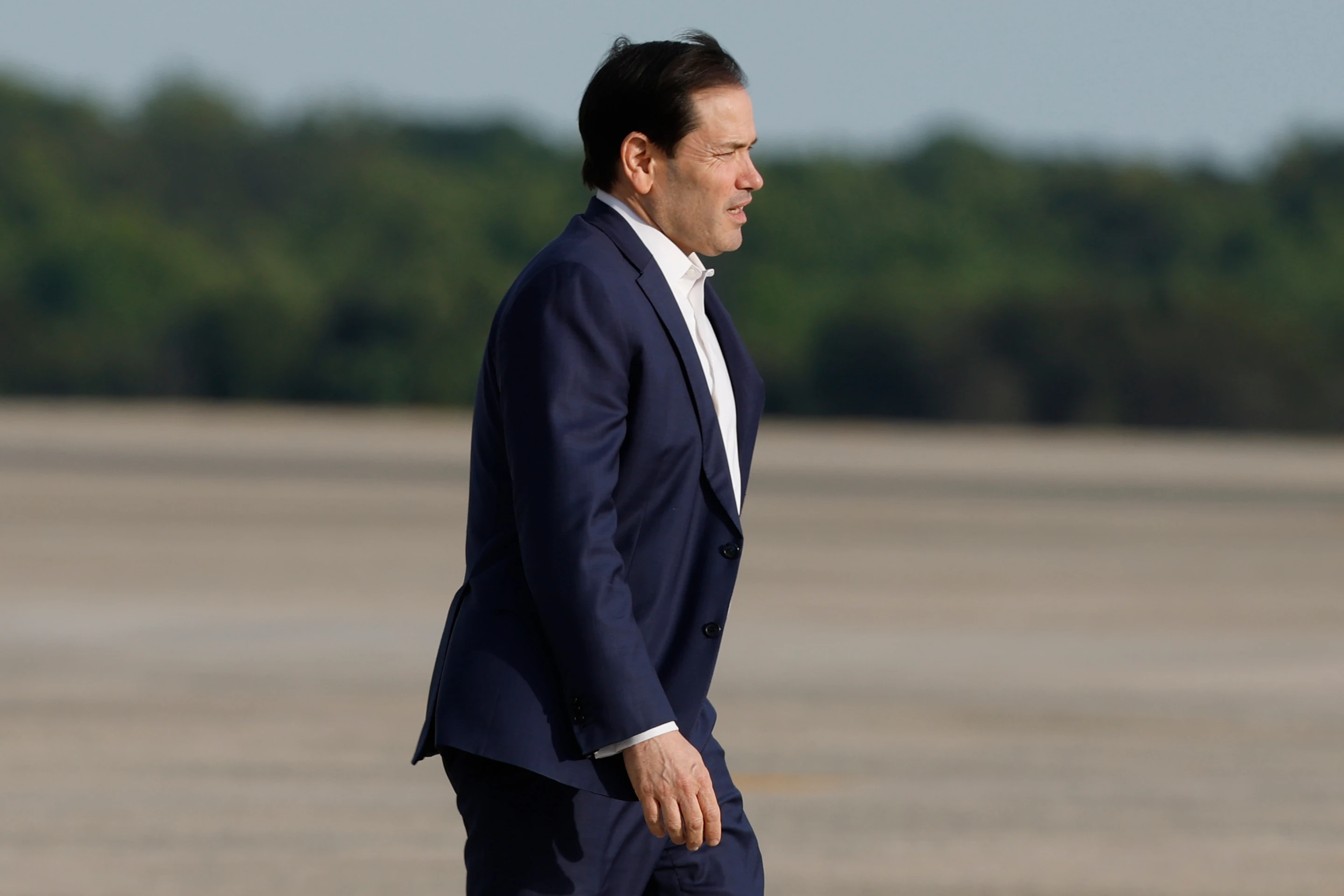
Trump has repeatedly stated that the United States will maintain its naval blockade and sanctions pressure until any agreement is formally finalized, certified, and signed. The White House has also emphasized that the administration remains committed to preventing Iran from acquiring nuclear weapons, even as negotiations continue. Secretary of State Marco Rubio has defended the talks publicly, arguing that Trump’s approach balances military pressure with diplomacy while preserving American leverage over Tehran.
Rubio has rejected claims that the administration is retreating from its hardline position, insisting that the president would never allow Iran to become a nuclear power. However, skepticism continues to grow among Republican national security hawks, many of whom supported the military campaign launched earlier this year following escalating tensions in the Middle East and repeated attacks linked to Iranian-backed forces. Former officials including Mike Pompeo and John Bolton are reportedly among conservatives questioning whether the emerging framework grants Iran too much room to recover strategically after months of war.
Critics also worry that a temporary ceasefire could become permanent without forcing major concessions from Tehran on ballistic missiles, proxy militias, and uranium stockpiles. Some lawmakers fear the negotiations could reduce pressure on Iran just as the country was experiencing economic and military strain from sanctions, airstrikes, and naval restrictions. Others argue that ending the conflict without regime change or long-term military guarantees would leave the underlying regional threat unresolved.
Despite the criticism, Trump continues to receive support from some Republicans who favor diplomacy and oppose an extended military conflict. Senator Rand Paul defended the administration’s approach by arguing that wars typically end through negotiations and that the president should be allowed space to pursue an “America First” solution rather than an indefinite military campaign. Representative Thomas Massie, who had earlier pushed for congressional efforts to limit Trump’s war powers, suggested that strong opposition from hawkish Republicans may actually indicate that the proposal is more balanced than critics claim.
The debate has also highlighted broader divisions inside the Republican Party between traditional interventionist conservatives and newer populist factions skeptical of long-term foreign wars. Political analysts note that Trump’s base itself appears divided, with some supporters favoring aggressive military action against Iran while others worry about the economic costs and strategic risks of prolonged involvement in another Middle East conflict. Since the war began earlier this year, the United States has reportedly spent tens of billions of dollars on military operations, while the closure of the Strait of Hormuz contributed to sharp increases in global oil prices, shipping disruptions, and inflation concerns across international markets.
The potential reopening of the strait under a future agreement has already caused energy prices to fall in anticipation of stabilized oil supplies. International mediators, including officials linked to Pakistan and Gulf states, are believed to have played an important role in facilitating indirect communication between Washington and Tehran. Reports indicate that future negotiations may involve discussions about Iran’s enriched uranium stockpile, international monitoring arrangements, sanctions timelines, and regional ceasefire conditions involving Hezbollah and Israel.
However, many core issues remain unresolved, and no final agreement has yet been officially signed. Trump has repeatedly cautioned that while progress has been made, there is “no rush” to complete a final arrangement, signaling that negotiations remain fragile. Analysts warn that political resistance from Republican hardliners could complicate the administration’s ability to secure congressional and public support for any future agreement, especially if sanctions relief or financial concessions become central components of the final deal.
At the same time, diplomatic supporters argue that continued warfare risks further destabilizing the Middle East, damaging the global economy, and increasing the possibility of a broader regional confrontation involving additional powers. The emerging debate surrounding Trump’s Iran proposal now represents not only a major foreign policy test but also a defining struggle within the Republican Party over the future direction of American national security strategy, military intervention, and diplomacy in the Middle East. As negotiations continue behind closed doors, uncertainty remains over whether the White House can secure an agreement acceptable both to international negotiators and to increasingly divided voices within Trump’s own political coalition..
Nystate News FavoritesNystate News Favorites
- Trump's Brazil Tariff Threat Pushes Legal Boundaries of Presidential Trade AuthorityTrump's Brazil Tariff Threat Pushes Legal Boundaries of Presidential Trade Authority
- RFK Jr. Abruptly Cancels Meeting of Federal Preventive Health Panel, Raising Alarm Among ExpertsRFK Jr. Abruptly Cancels Meeting of Federal Preventive Health Panel, Raising Alarm Among Experts
Read More